
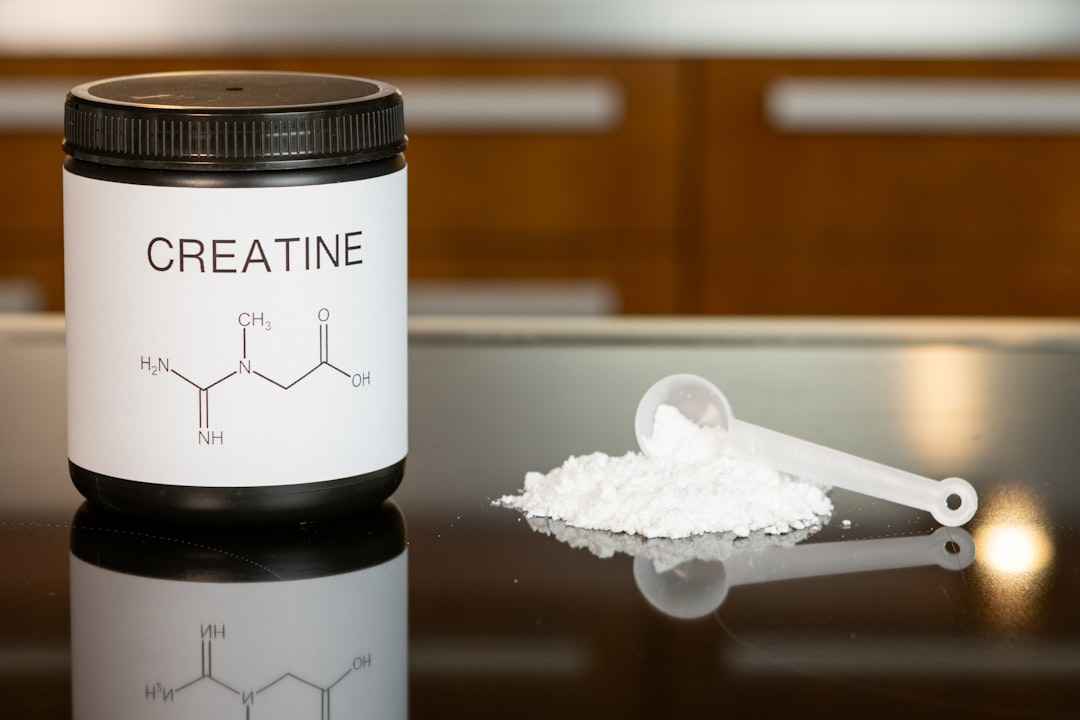
When most people hear the word "creatine," they picture bodybuilders or elite sprinters. But in the world of functional medicine, we view creatine from a broader perspective. It’s not just a "gym supplement"—it is a key nutrient for cellular energy, brain health, and healthy aging.
Whether you are looking to sharpen your focus, protect your bone density, or maintain your vitality as you age, creatine is one of the most researched and effective tools in our toolkit.
What is Creatine?
Creatine is a naturally occurring compound made from three amino acids: L-arginine, glycine, and L-methionine. While your body produces it in the liver and kidneys, and you can get small amounts from red meat and seafood, many people—especially those on plant-based diets or with high metabolic demands—operate at a "sub-optimal" level.
Its primary job is to help your cells produce Adenosine Triphosphate (ATP), which is the universal energy currency of your body. Think of creatine as a backup battery that kicks in whenever your cells need a quick burst of power.
The Top Benefits (It’s Not Just for Biceps!)
While creatine is the gold standard for muscle performance, its "off-label" benefits are what make it a powerhouse:
Brain Power & Cognition: Your brain is one of the most energy-hungry organs in your body. Research shows that creatine can improve short-term memory, reasoning, and mental fatigue—especially during times of stress or sleep deprivation.
Healthy Aging (Sarcopenia Prevention): As we age, we naturally lose muscle mass (sarcopenia) and bone density. Creatine, when paired with resistance training, is one of the best ways to keep your "functional engine" running and prevent falls and fractures.
Blood Sugar Support: Emerging studies suggest creatine may help improve glucose tolerance by moving sugar out of the bloodstream and into the muscle cells where it can be used for energy.
Cellular Hydration: Creatine draws water into your cells, which doesn't just make muscles look "fuller"—it actually improves cellular integrity and helps your body stay resilient against dehydration.
Who Should Take It?
Almost everyone can benefit from a high-quality creatine supplement, but it is particularly transformative for:
Women: To support bone density and hormonal health.
Vegetarians & Vegans: Since creatine is found primarily in meat, plant-based eaters often have lower baseline levels.
Adults 50+: To maintain cognitive sharpness and physical independence.
Athletes: For faster recovery and increased power output.
How to Take It Based on Your Goals
The most effective and well-studied form is Creatine Monohydrate. You don't need a complicated "loading phase" (taking 20g a day) unless you are in a rush to see results. For most, a slow and steady approach is better for the gut.
Goal |
Recommended Dosage |
General Health & Brain Support |
3–5 grams daily (approx. 1 scoop) |
Muscle Building & Strength |
5 grams daily, consistently |
Cognitive Stress / Sleep Deprivation |
Up to 10 grams daily for short periods |
Pro Tip: Mix your creatine with water or your favorite morning smoothie. Timing isn't as important as consistency—the goal is to keep your "battery" fully charged every day.
My Favorite Creatine Supplement: Thorne Creatine
Not all supplements are created equal. Many cheap powders contain fillers or are processed in ways that leave behind contaminants.
I recommend Thorne Creatine because it is NSF Certified for Sport®. This means it is rigorously tested for purity, potency, and the absence of over 200 banned substances. It is a micronized powder, meaning it dissolves easily in water without that "gritty" texture.
🛒 How to Order
You can purchase my favorite Thorne Creatine directly through my Fullscript dispensary. Using this link ensures you get professional-grade supplements delivered straight to your door.
(Note: If you don't have an account yet, it only takes a moment to sign up and access my full list of recommended protocols!)
