
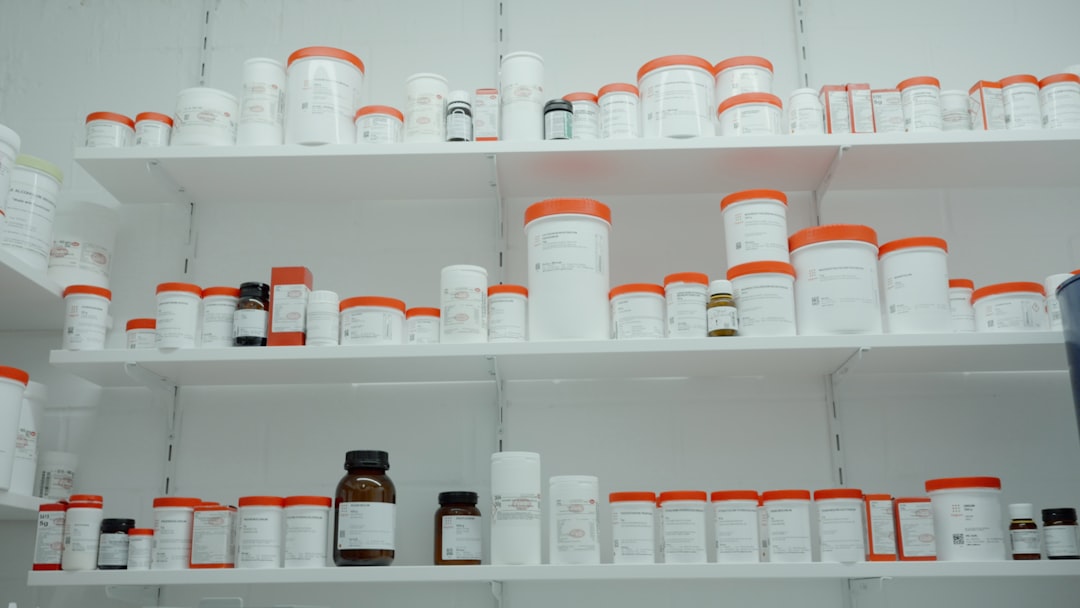
In the world of functional medicine, we focus on identifying and treating the root causes of disease, often centering on chronic inflammation and immune system dysfunction. One therapeutic tool that aligns perfectly with this approach and is gaining significant attention is Low-Dose Naltrexone (LDN).
LDN uses a long-established medication at a fraction of its traditional dose to modulate the immune system and leverage the body's natural healing abilities.
What is Low-Dose Naltrexone (LDN)?
Naltrexone is a medication traditionally approved by the FDA at a higher dose (usually 50 mg or more) to treat opioid and alcohol addiction.
Low-Dose Naltrexone (LDN), however, refers to doses that are significantly lower, typically ranging from 1.5 mg to 4.5 mg daily. This drastically lower dosage changes the medication's effect on the body, transforming it from a continuous opioid block to an immune and inflammatory modulator.
How Does it Work? The Dual Mechanism
LDN is thought to work primarily through two main mechanisms:
Endorphin Upregulation (The "Rebound" Effect): LDN is an opioid receptor antagonist. When taken (often at bedtime), it briefly and temporarily blocks opioid receptors. This short blockade "tricks" the body into thinking it needs more of its natural feel-good chemicals—endorphins and enkephalins—so it triggers a rebound increase in their production. These natural opioids are crucial for pain relief, immune regulation, and promoting a sense of well-being.
Anti-Inflammatory Action (Glial Cell Modulation): LDN also appears to reduce inflammation in the central nervous system by acting on certain immune cells (specifically microglia and Toll-like Receptor 4, or TLR4). Chronic activation of these cells is a key driver of neuroinflammation, which is implicated in many chronic pain and neurological conditions. LDN helps quiet this overactivity.
In essence, LDN supports the body's natural healing pathways, rather than just suppressing symptoms.
Who Can Benefit from LDN?
Because LDN primarily targets inflammation and immune dysregulation, it is being explored (off-label) for a wide array of chronic conditions where these two factors are central to the disease process. LDN is rarely a solo treatment and is often integrated into a comprehensive functional medicine plan.
LDN has shown promise for individuals with:
Autoimmune Diseases: Conditions like Hashimoto's thyroiditis, Multiple Sclerosis (MS), Crohn's Disease and Ulcerative Colitis (IBD), and Rheumatoid Arthritis (RA). LDN can help modulate the overactive immune response.
Chronic Pain Conditions: Particularly Fibromyalgia, Complex Regional Pain Syndrome (CRPS), and neuropathic pain, often by reducing neuroinflammation and boosting natural pain relief.
Chronic Fatigue Syndrome (CFS) / Myalgic Encephalomyelitis (ME): Targeting the underlying inflammatory and immune issues that drive persistent fatigue.
Mental and Neurological Health: Emerging research suggests a role in conditions related to central nervous system inflammation, such as depression, anxiety, and even neurological disorders like Parkinson's disease.
Long-Haul COVID Symptoms (Post-COVID Syndrome): Anecdotally and in small studies, LDN is being used to address the lingering inflammation, brain fog, and fatigue associated with this condition.
Benefits, Side Effects, and Risks
One of the reasons LDN is a favorite tool in functional medicine is its favorable side effect profile compared to many immune-suppressing or high-dose pain medications.
Potential Benefits
Reduced Pain: Increased endorphins and suppressed neuroinflammation.
Less Inflammation: Modulation of immune cells (Toll-like receptors/microglia).
Improved Energy/Mood: Reduced chronic inflammation and enhanced endorphin activity.
Immune System Balance: Promotes immune system regulation without broad suppression.
High Tolerability: Generally fewer and milder side effects than higher-dose drugs.
Common Side Effects (Typically Mild and Transient)
When side effects occur, they are generally mild and often fade after the first few weeks as the body adjusts:
Sleep Disturbances: Insomnia or, more commonly, vivid dreams/nightmares. Taking the dose earlier in the day may help mitigate this.
Gastrointestinal Distress: Mild nausea or stomach cramps.
Headaches
Initial Symptom Flare: Occasionally, a temporary increase in symptoms can occur when starting the medication, which usually indicates the dose may need to be started lower and increased slower.
Contraindications and Risks
LDN is considered relatively safe, but there are a few important risks and contraindications to be aware of:
Opioid Use: DO NOT take LDN if you are currently taking prescribed opioid pain medication (like codeine, tramadol, morphine, or oxycodone). LDN will block their analgesic effect and may trigger acute withdrawal.
Compounding Required: Since LDN is an off-label use, it must be prepared by a compounding pharmacy to achieve the exact low dosage (1.5mg to 4.5mg), which may affect cost and insurance coverage.
Liver Disease: LDN should be used with caution in patients with significant liver impairment, and liver enzymes may need monitoring.
Limited Large-Scale Trials: While the existing data for certain conditions (like Fibromyalgia and Crohn's) is promising, most studies are small, and more large-scale, placebo-controlled clinical trials are needed to expand its official FDA-approved uses.
As with all prescription treatments, LDN should only be initiated under the supervision of a licensed healthcare provider who can assess its appropriateness for your specific condition and monitor your response.
If you are dealing with chronic pain or an autoimmune condition, discussing LDN with a functional medicine practitioner who is familiar with its nuanced use can be a powerful next step in your health journey.
